Petroglyph Seven: A Designer’s Review for Real Projects
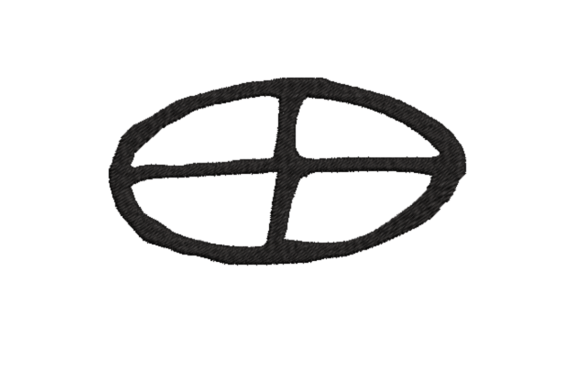
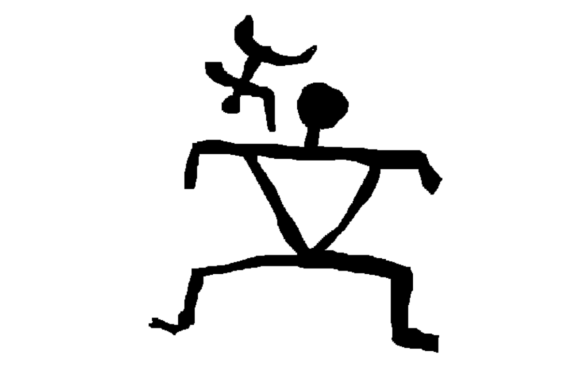
When I first pulled up Petroglyph Seven on my screen, I wasn’t looking for flashy gradients or complex shading. I was looking for character. In the world of machine embroidery design, it is easy to get lost in technical perfection while forgetting the soul of the stitch. This piece, categorized under Shapes and Embroidery, immediately struck me as a study in minimalism and history. It does not scream for attention; instead, it invites curiosity. For those of us who run small shops or create custom apparel, finding designs that bridge the gap between modern aesthetics and ancient symbolism is rare. This review breaks down how this specific symbol performs when moved from a digital preview to actual fabric.
The First Impression: Mood and Visual Personality
The visual personality of Petroglyph Seven is grounded. It feels tactile, even before the needle hits the cloth. The lines are clean, suggesting a mix of running stitch precision and deliberate spacing that mimics the chiseled look of stone carvings. As a designer, I appreciate that it avoids excessive density. Many historical motifs fail because they try to replicate every crack and weathered edge with thousands of stitches, resulting in a stiff, cardboard-like finish. This design respects the fabric. It allows the texture of the material to breathe through the negative space.
This mood makes it incredibly versatile. It fits naturally into projects that aim for an earthy, organic, or intellectual vibe. Think of boutique branding for a coffee shop, a logo for a hiking group, or a subtle accent on a linen apron. It is not just a shape; it is a conversation starter.
Real-World Application: The Tote Bag Test
To truly evaluate an embroidery file, you have to imagine it in a client’s hands. Let’s consider a real-life scenario: a custom order for a canvas tote bag. The client wants something unique, not the typical floral monogram. They want a symbol that represents strength and history.
I placed Petroglyph Seven on a natural cotton canvas mockup. The contrast was immediate and striking. Because the design relies on strong outlines rather than dense fills, it stitched out cleanly without puckering the heavy fabric. On a tote bag, durability is key. A design with high stitch density can eventually tear through thin canvas after repeated washing and heavy loading. However, the open nature of this petroglyph style ensures longevity. The customer receives a handmade product that looks professional and holds up to daily use. This is the kind of reliability that builds trust with buyers.
Apparel and Custom Gifts
Beyond bags, this design shines in custom apparel. Imagine it embroidered on the left chest of a charcoal grey sweatshirt. The simplicity of the symbol complements the casual comfort of the garment. It does not look like a corporate logo; it looks like a personal emblem. For Etsy sellers, this opens up a niche market. You are not just selling a sweatshirt; you are selling a piece of wearable art.
It also works beautifully for personalized gifts. A baby onesie with a subtle, small-scale version of this symbol can serve as a modern heirloom. However, caution is needed here. When scaling down for baby embroidery, you must ensure the details remain visible. If the lines become too thin, they may break during washing. Always check the minimum stitch length recommended by your machine software before resizing.
Technical Considerations for Stitching
While Petroglyph Seven is forgiving, it is not without its technical demands. Here is what I observed during the stitching process:
- Fabric Texture: This design looks best on fabrics with a bit of tooth, like linen, cotton twill, or denim. On slippery synthetics, the running stitch elements might shift if not properly stabilized.
- Stabilizer Choice: Even though the design is not overly dense, using a cut-away stabilizer is wise for garments that will be washed frequently. For home decor items like pillow covers, a tear-away might suffice, but test it first.
- Thread Colors: I tested this in both monochrome and two-tone setups. A matte thread in earth tones—ochre, slate, or deep green—enhances the ancient aesthetic. Avoid high-sheen rayon threads unless you are going for a very specific, modern contrast.
- Hoop Size: Since this is a standalone symbol, it fits well in smaller hoops. This is great for embroidered patch creation. You can batch-produce these patches efficiently, adding value to your craft business inventory.
Where to Use Caution
No design is perfect for every situation. There are specific scenarios where Petroglyph Seven might struggle. If you are working with stretchy fabrics like jersey knits for t-shirts, the lack of a solid fill means the fabric could distort around the stitches if the tension is not dialed in correctly. Always use a hoop-and-stick method or a magnetic frame to keep the fabric taut.
Additionally, be mindful of dark fabrics. If you choose a dark thread on a dark fabric, the subtle details of the petroglyph may get lost. In these cases, consider using a slightly lighter shade or adding a subtle underlay stitch if your software allows for editing. For holiday embroidery or festive items, this design might feel too austere unless paired with other decorative elements. It stands best on its own or in a minimalist arrangement.
Commercial Viability and Brand Consistency
For commercial embroidery professionals, consistency is currency. Petroglyph Seven offers a distinct look that can help define a brand’s visual identity. If you are selling digital embroidery files or finished goods, this design appeals to a demographic that values authenticity. It does not look mass-produced. It looks curated.
When creating printable mockups for your online store, ensure you photograph the stitched result in natural light. The texture of the thread against the fabric is a major selling point. Buyers want to see the quality of the stitch work. Highlighting the clean lines and the historical reference in your product descriptions can increase engagement and conversion rates.
Final Designer Notes
Before you commit to a large production run or a high-value client project, always follow these steps:
- Test on Scrap Fabric: Never skip this. Use the same type of fabric and stabilizer you plan to use for the final product.
- Check File Formats: The product description mentions multiple formats. Ensure you have the correct file for your specific machine model to avoid conversion errors.
- Review Licensing: If you plan to sell items made with this design, confirm the license terms. Most designers allow commercial use for physical items, but restrictions may apply to digital resale.
- Inspect Small Details: Zoom in on your software. Look for any potential jump stitches or unnecessary trims that could slow down your machine.
In conclusion, Petroglyph Seven is a thoughtful addition to any designer’s library. It is not just a shape; it is a tool for storytelling. Whether you are decorating a tote bag design for a local market or creating a line of small shop products for an online boutique, this design delivers clarity, style, and durability. It respects the craft of embroidery by keeping the stitch count reasonable and the visual impact high. For those who value substance over flash, this is a design worth keeping in your active folder.