Review: Earth Machine Embroidery Design for Sweatshirts
As an embroidery designer who has spent years refining digitizing techniques for small boutique brands, I approach every new machine embroidery design with a critical eye. It is not just about whether the file runs smoothly; it is about how the final stitch-out translates into brand identity and perceived value. Recently, I evaluated the Earth Machine Embroidery Design Napkin for Hot for a potential application on a premium sweatshirt collection. While the product title suggests a kitchen focus, mentioning napkins and placemats, my interest lay in its adaptability for apparel. Specifically, I wanted to see if this design could elevate a simple cotton fleece hoodie into a high-end, lifestyle-oriented piece.
First Impressions and Aesthetic Mood
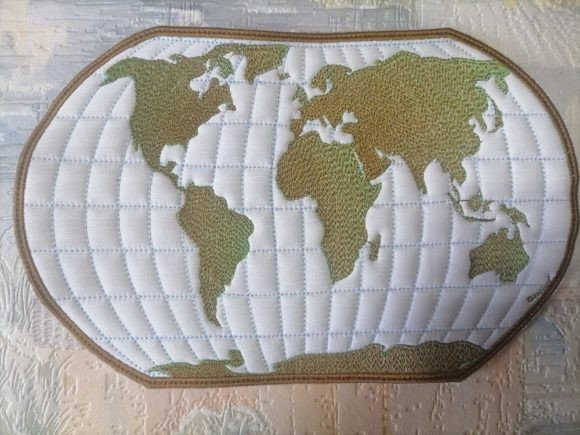
The initial visual assessment of the Earth Machine Embroidery Design Napkin for Hot reveals a motif that balances rustic charm with modern simplicity. The description highlights a master class in trapunto technique, which immediately signals depth and texture. For a boutique brand, texture is everything. Flat stitching can sometimes look cheap on thick fabrics, but a design intended for trapunto offers a dimensional quality that catches the light and invites touch. This tactile element is crucial for custom apparel where customers cannot physically feel the product before purchasing online.
The mood of the design feels organic and grounded. It does not scream for attention with overly complex fills or aggressive outlines. Instead, it offers a decorative yet minimal presence. This versatility allows it to work across various aesthetics, from playful and cute to bold and rustic. For a small shop product line, having a design asset that can pivot between these moods depending on thread choice is invaluable. It saves time on sourcing multiple designs while allowing for diverse collection themes.
Adapting Kitchen Designs for Apparel
You might wonder why a design labeled for napkins is being considered for sweatshirt embroidery. The answer lies in scale and placement. Many digital embroidery files are versatile. A motif designed for a napkin often fits perfectly on the left chest of a hoodie or as a subtle sleeve accent. When reviewing the Earth Machine Embroidery Design Napkin for Hot, I looked at the layout density. If the stitch density is too high for a delicate linen napkin, it might be perfect for the robust structure of a heavy-weight hoodie. Conversely, if it is light and airy, it prevents the fabric from puckering, which is a common issue in commercial embroidery on stretchy blends.
For neutral sweatshirts in oatmeal, sage, or charcoal, this earth-inspired design acts as a sophisticated focal point. On dark fabric, using metallic or high-contrast thread colors can make the trapunto elements pop, creating a luxurious finish. On pastel colors, matching the thread tone creates a subtle, tonal look that appeals to customers seeking minimalist fashion. The key is to treat the embroidery file not as a rigid instruction but as a flexible component of your broader design strategy.
Technical Considerations for Production
Before running this design on production machines, several technical factors must be addressed. First, consider the stitch density. Trapunto techniques often require specific stabilizer choices to support the padding and subsequent trimming. For a sweatshirt, a cut-away stabilizer is usually recommended to maintain shape after washing. However, because this design originates from a kitchen context, you must verify if the digitizing accounts for the stretch of jersey or fleece fabrics. Always check the recommended hoop size and ensure it aligns with your machine’s capabilities and the desired placement area.
Thread color contrast is another vital element. Since the design is described as suitable for hot items, it may feature warm tones. Translating this to apparel requires thoughtful palette selection. Earthy browns, terracottas, and deep greens work well for a rustic vibe, while soft creams and greys suit a modern, clean aesthetic. Test stitches on scrap fabric identical to your final product are non-negotiable. This ensures the fabric texture does not interfere with the stitch formation and that the design remains readable at smaller sizes.
Washing durability is a major concern for any handmade product sold commercially. Apparel undergoes more rigorous cleaning than napkins. Ensure that the trapunto elements are securely stitched and that any loose threads are meticulously trimmed. A well-executed design should withstand multiple wash cycles without fraying or losing its dimensional integrity. This reliability builds buyer trust and reduces return rates, which is essential for any Etsy seller or small business owner.
Enhancing Brand Identity and Value
Integrating the Earth Machine Embroidery Design Napkin for Hot into your apparel line can significantly enhance your brand identity. Unique, textured embroidery sets your products apart from mass-produced screen-printed alternatives. It signals craftsmanship and attention to detail. When used in lifestyle product photography, the raised stitches create shadows and highlights that add depth to images, making them more engaging on social media and e-commerce platforms. A high-quality printable mockup can help visualize this, but nothing beats the real thing in customer photos.
This design also supports better customer engagement. Shoppers love stories behind their purchases. Explaining the trapunto technique and the inspiration behind the earth motif adds narrative value. It transforms a simple hoodie into a piece of wearable art. For creative entrepreneurs, this means higher perceived value and the ability to command premium pricing. It is not just a garment; it is a finished product that reflects the maker’s skill and artistic vision.
Final Verdict for Boutique Use
The Earth Machine Embroidery Design Napkin for Hot proves that categorization does not limit creativity. While marketed for kitchen items, its structural qualities and aesthetic appeal make it a strong candidate for hoodie design and other apparel applications. For small clothing brands and apparel decorators, it offers a cost-effective way to introduce textured, high-quality embroidery into their collections. Just remember to verify the specific file format, exact stitch count, and license terms before commercial use, as these details are critical for production planning.
By carefully selecting thread colors, optimizing stabilizer use, and placing the design strategically, you can create standout pieces that resonate with your audience. Whether you are an experienced Embroidery artist or a newcomer to Sewing and digitizing, this design serves as a reminder that versatility is key. Embrace the challenge of adapting existing assets, and you will find new ways to innovate your boutique brand’s offerings.