Reviewing Cars Fonts Embroidery Design for Gifts
As an embroidery designer who has spent countless hours behind the hoop, I know that the right font can make or break a personalized gift. When I first loaded the Cars Fonts Embroidery Design into my software, I was looking for more than just letters. I was looking for character. In the world of custom Embroidery, typography is not merely about readability; it is about emotion. This particular design caught my eye because it promises to bridge the gap between playful charm and professional finish, a balance that is notoriously difficult to achieve in machine stitching.
For those of us running small shops or selling on platforms like Etsy, the pressure to deliver unique, high-quality items is constant. We are not just selling thread on fabric; we are selling memories. Whether it is a baby’s first blanket or a wedding keepsake, the font choice sets the tone. In this review, I will walk you through my experience testing this machine embroidery design for real-world applications, focusing on its suitability for personalized products and the practical considerations every crafter should keep in mind.
The First Impression: Mood and Aesthetic Appeal
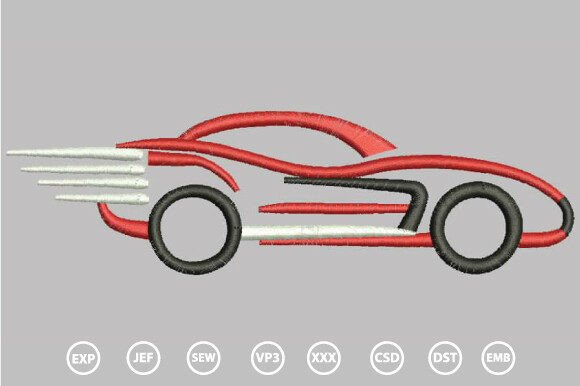
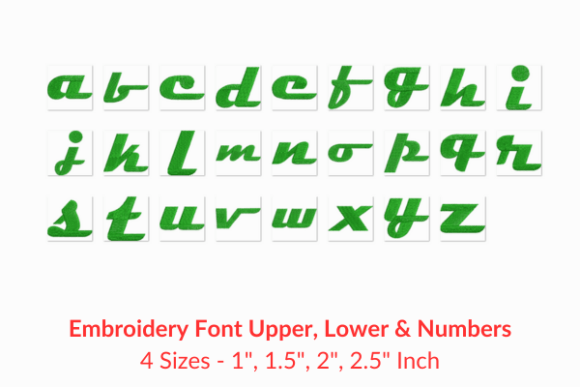
The initial visual scan of the Cars Fonts Embroidery Design reveals a distinct personality. It does not strive for the rigid perfection of standard serif fonts, nor does it lean entirely into the whimsical chaos of some novelty scripts. Instead, it offers a structured yet approachable look. The lines appear clean, suggesting that the digitizer paid close attention to stitch direction and flow. This is crucial because poor digitizing leads to puckering and thread breaks, issues that can ruin a handmade product before it even leaves the studio.
The mood feels versatile. It is sweet enough for nursery decor but structured enough for adult accessories. This duality is rare. Many fonts are either too childish for general use or too sterile for emotional gifts. This design sits comfortably in the middle, making it an excellent candidate for a wide range of customers. From a branding perspective, using such a distinctive font can help your small shop product stand out in a crowded marketplace. It signals attention to detail and a departure from generic, mass-produced aesthetics.
Practical Applications for Personalized Gifts
The true test of any embroidery file is its versatility. I imagined several scenarios where this font would shine, focusing on items that require both durability and aesthetic appeal.
- Baby Embroidery: For baby blankets and onesies, the font needs to be legible but soft. The rounded edges often found in well-digitized thematic fonts reduce the risk of scratchy thread ends against sensitive skin. This design could work beautifully for naming a newborn’s crib quilt, adding a personal touch that parents cherish.
- Wedding Gifts: While not a traditional calligraphy script, this font could offer a modern twist for wedding towels or robe personalization. It appeals to couples who prefer a contemporary, clean look over ornate vintage styles.
- Kitchen and Home Decor: An embroidered towel or apron benefits from a font that is easy to read from a distance. The structural integrity of this design suggests it would hold up well on terry cloth, provided the stabilizer is chosen correctly.
- Tote Bags and Pillows: For a pillow cover or canvas tote, the font needs to cover enough surface area to be impactful without overwhelming the fabric. This design allows for creative placement, whether centered on a tote or curved along the edge of a cushion.
Using this digital embroidery file for these items allows sellers to create cohesive collections. Imagine a set of matching kitchen towels and an apron, all featuring the same custom quote in this distinctive typeface. This consistency builds brand recognition and increases the perceived value of the custom embroidery service.
Navigating Technical Challenges and Fabric Textures
While the design is promising, experienced embroiderers know that no font is universal. There are specific contexts where caution is required. The success of the Cars Fonts Embroidery Design depends heavily on the interaction between the needle, the thread, and the fabric texture.
One must be careful with very small lettering. If the customer requests a tiny date or initials on a delicate item, the intricate details might merge or become illegible. It is essential to check the minimum recommended size in the design notes. Additionally, textured fabrics like thick terry cloth or fluffy fleece can swallow fine stitches. On these materials, the font may need to be scaled up to ensure clarity.
Stretchy fabrics, common in baby clothes, present another challenge. Without proper stabilization, the fabric can shift during stitching, distorting the letters. Using a cut-away stabilizer is often safer than tear-away for garments that will undergo frequent washing. Furthermore, when working on dark fabrics, consider the thread colors carefully. High contrast is key for readability, but one must also ensure the thread sheen complements the fabric rather than clashing with it.
Enhancing Perceived Value and Customer Trust
In the realm of online sales, particularly for an Etsy seller, product photography is everything. A well-executed embroidery sample using this font can significantly boost buyer engagement. When customers see crisp, clean lettering in their listing photos, they associate the product with quality. This builds trust. A sloppy font application suggests carelessness, while a precise one suggests professionalism.
The emotional connection is also vital. A personalized gift is not just an object; it is a gesture. The right font amplifies that gesture. By choosing a design that feels thoughtful and unique, you elevate the item from a commodity to a keepsake. This can justify a higher price point and encourage repeat business. Customers are willing to pay more for items that feel special and tailored to their needs.
Essential Preparation Steps for Best Results
Before committing to a full production run or a customer order, there are several practical steps every designer should take. These precautions ensure that the final product meets professional standards.
- Test on Scrap Fabric: Always stitch a sample on the exact same material you plan to use for the final product. This helps identify any tension issues or puckering.
- Check Thread Color Contrast: View your design in different color combinations. Ensure the text stands out clearly against the background fabric.
- Confirm Hoop Size: Verify that the design fits within your machine’s hoop size limitations. Some larger quotes may require re-hooping or splitting, which can complicate the process.
- Review Stitch Density: Check if the density is appropriate for your fabric. Too dense, and the fabric will pucker; too sparse, and the backing may show through.
- Use Proper Stabilizer: Match the stabilizer to the fabric weight and stretch. This is critical for maintaining the shape of the letters.
- Compare Light and Dark Mockups: Create digital mockups to visualize how the design looks on different backgrounds. This helps in marketing and setting customer expectations.
- Check Small Details After Stitching: Inspect the finished sample closely. Look for loose threads or gaps in the lettering that may need manual cleanup.
- Confirm Commercial Licensing: Before selling finished products, ensure you have the right license for the commercial embroidery use of the file. Since this is a high-quality embroidery font that will help you personalize your designs, always verify the specific terms provided by the creator.
In conclusion, the Cars Fonts Embroidery Design offers a compelling option for designers looking to add personality to their Work. It balances charm with functionality, making it suitable for a variety of personalized gifts. By understanding its strengths and respecting its technical requirements, you can create beautiful, lasting products that delight your customers. Remember, the best embroidery is not just about the stitch; it is about the story the stitch tells.