Reviewing Purple Embroidery Sequin Fabric Paper for Real Projects
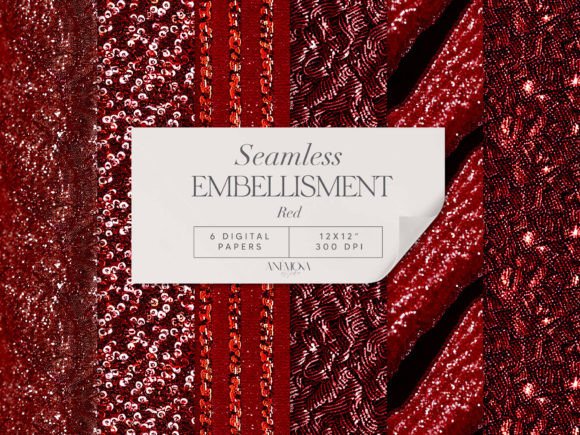
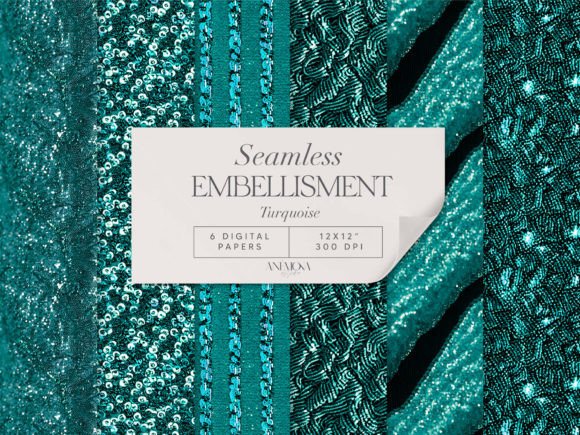
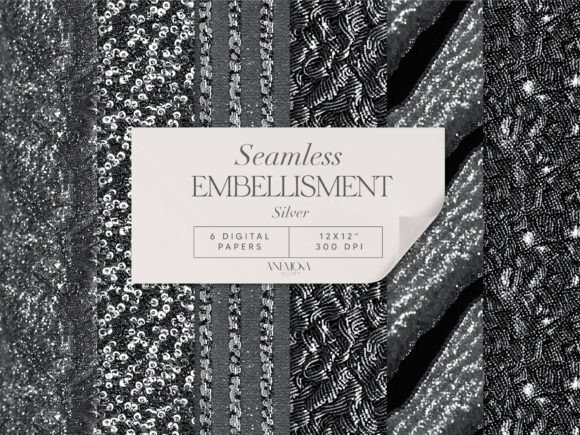
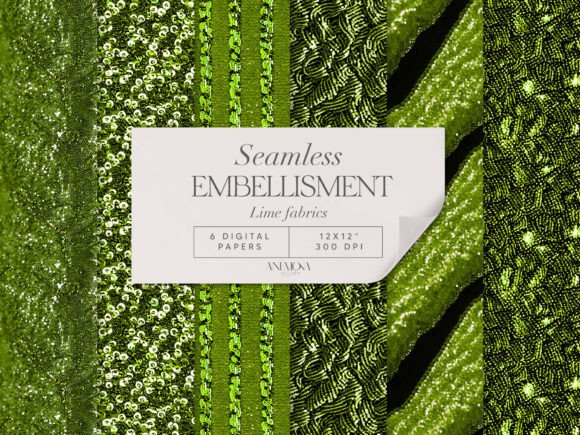
As a designer who spends half my life staring at stitch maps and the other half sourcing materials, I have learned that not every digital asset translates well to physical thread. When I first encountered Purple Embroidery Sequin Fabric Paper, my initial reaction was curiosity mixed with caution. The name suggests a tactile, shimmering quality that is notoriously difficult to replicate in standard machine embroidery. However, upon reviewing the files provided by Anemona Estudio, it became clear that this is not a traditional embroidery file in the sense of a DST or PES format. Instead, it is a high-resolution graphic resource designed to elevate the visual presentation of your work.
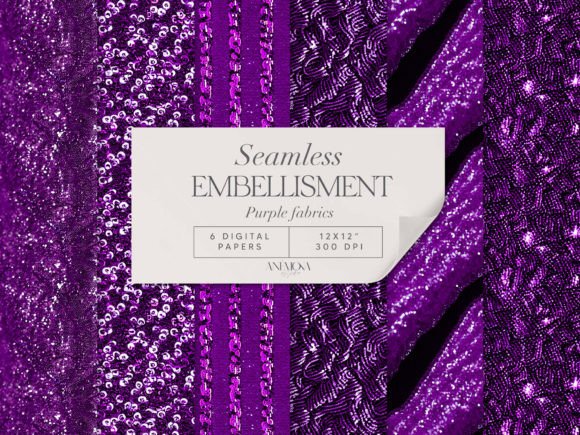
You receive six luxury digital papers in JPG format, rendered at 300 dpi in RGB. With a seamless width of 3600 pixels, these assets are substantial. For those of us running small shops or selling on Etsy, understanding how to leverage these Graphics and Patterns is key to standing out in a saturated market. This review explores how I would practically apply these textures in a real-world design workflow, moving beyond simple description to actual application.
The Visual Impact and Mood
The first thing that strikes you about the purple sequin texture is its depth. It does not look flat. The interplay of light and shadow in the digital rendering creates a mood of luxury and celebration. In the context of embroidery, where we often deal with matte cottons or subtle sheens of rayon, this digital asset offers a contrasting backdrop that can make your stitched designs pop. The color palette is rich, leaning towards regal purples that suggest sophistication rather than childish brightness. This makes it an excellent candidate for boutique branding or high-end gift packaging.
When I imagine using this in a project, I do not see it as the embroidery itself, but as the environment in which the embroidery lives. It is perfect for creating mockups that sell the dream of the finished product. If you are designing a custom embroidered tote bag or a personalized sweatshirt, placing your digitized design against this sequin background in your promotional images can significantly increase perceived value. It tells the customer that this is not just a hobbyist item, but a piece of crafted art.
Real-World Application Scenarios
Let us consider a specific case. Suppose you are preparing a line of holiday gifts, such as embroidered aprons or kitchen towels. You have spent hours perfecting the satin stitch borders and ensuring the fill stitch density is appropriate for terry cloth. Now, you need to present this handmade product online. Using the Purple Embroidery Sequin Fabric Paper as a digital backdrop for your product photography or printable mockups can transform a simple photo into a compelling sales asset.
For Etsy sellers and craft business owners, consistency is vital. These seamless patterns allow you to create branded social media posts, website banners, and digital lookbooks without hiring a photographer for every single item. Imagine a baby embroidery project featuring soft pastels. Placing that delicate design against the bold, textured purple sequin background creates a striking contrast that draws the eye. It works equally well for custom apparel previews, helping clients visualize how their monogram or logo might look when framed by luxury.
Furthermore, these assets are invaluable for digital product sellers. If you offer design services or sell pre-made embroidery files, using these high-quality backgrounds in your listing images can differentiate your shop. It adds a layer of professionalism that generic white backgrounds often lack. The 300 dpi resolution ensures that even when cropped for Instagram stories or Pinterest pins, the image remains crisp and inviting.
Practical Considerations for Designers
While these digital papers are versatile, there are practical limits to their use. It is crucial to remember that these are JPG images, not vector files or native embroidery formats. You cannot directly convert this sequin texture into stitches without significant loss of detail and potential machine errors. Attempting to digitize such a complex, photographic texture into a machine embroidery design would result in excessive stitch density, leading to fabric puckering and thread breaks. Therefore, treat this as a visual aid, not a stitch file.
When using these graphics for mockups, pay attention to lighting consistency. If your actual embroidered item was photographed in natural daylight, ensure the digital background matches that lighting direction to maintain realism. A mismatched shadow or highlight can break the illusion and reduce customer trust. Additionally, consider the color contrast. The deep purple may overwhelm lighter thread colors. In such cases, adjust the opacity or brightness of the background in your editing software to ensure the embroidery remains the focal point.
For those creating printed mockups or physical lookbooks, the 3600px width provides ample room for high-quality printing. However, always test a sample print to check color accuracy, as RGB values on screen can differ from CMYK output in print. This step is essential for maintaining brand consistency across all your marketing materials.
Enhancing Brand Value and Customer Engagement
In the competitive world of small shop products, presentation is everything. The Purple Embroidery Sequin Fabric Paper helps elevate the perceived quality of your work. When customers see your embroidered patch or tote bag design presented against a luxurious backdrop, they subconsciously associate that quality with your craftsmanship. This psychological effect can justify higher price points and increase conversion rates.
Moreover, these assets save time. Instead of staging elaborate photo shoots for every new design, you can create professional-looking visuals in minutes. This efficiency allows you to focus more on the actual embroidery work—checking hoop size alignment, selecting the right stabilizer, and choosing harmonious thread colors. It streamlines the workflow from creation to sale, which is critical for solo entrepreneurs.
Final Designer Notes
Before integrating these graphics into your commercial workflow, always verify the licensing terms provided by Anemona Estudio. Ensure that the usage rights cover commercial applications, especially if you are selling digital products or using the images in paid advertising. While the description indicates they are perfect for designs and cards, clarity on resale rights for finished digital goods is essential.
Also, remember that while these design assets enhance your marketing, they do not replace the need for high-quality physical execution. Always test your actual embroidery on scrap fabric first. Check for proper tension, inspect small details for clarity, and ensure the fabric texture complements the stitch type. Whether you are working on a baby embroidery project or a large commercial embroidery order, the physical product must match the promise of the digital preview.
In conclusion, Purple Embroidery Sequin Fabric Paper is a valuable tool for the modern embroidery designer. It bridges the gap between handmade craft and professional presentation. By using these high-resolution patterns wisely, you can enhance your brand identity, improve customer engagement, and streamline your marketing process. It is not just a background; it is a strategic asset for any serious creative entrepreneur looking to elevate their craft.