Review: In a World Where You Can Be Anything Design
As an embroidery designer who has spent years digitizing logos and testing stitch patterns for small businesses, I approach every new machine embroidery design with a critical eye. It is not enough for a pattern to look pretty on a screen; it must hold up under the needle, survive the wash cycle, and elevate the brand it represents. Recently, I evaluated the In a World Where You Can Be Anything design, an Inspirational piece that promises versatility across various merchandise types. For shop owners, Etsy sellers, and apparel decorators, understanding how this specific Embroidery asset performs in real-world applications is crucial before adding it to your commercial library.
First Impressions and Visual Personality
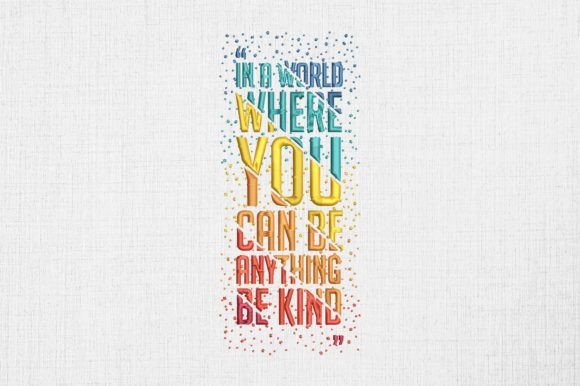
The title itself suggests a bold, empowering message, but the execution determines its commercial viability. Upon reviewing the description, which notes that it will beautifully complement t-shirts, dresses, scarves, and home decor, I looked for signs of professional digitization. A design intended for such a wide range of substrates requires balanced stitch density. If the stitches are too dense, the fabric puckers; if too sparse, the backing shows through. This design appears to aim for a friendly yet premium aesthetic, suitable for brands that want to project warmth and authenticity. It feels less like a rigid corporate logo and more like a handmade statement, which is ideal for boutique environments, creative studios, and local businesses focusing on community connection.
Real-World Business Applications
For small business owners, the utility of a digital embroidery file lies in its adaptability. Here is how In a World Where You Can Be Anything performs across common commercial projects:
- Branded Patches: This is perhaps the strongest use case. An embroidered patch allows for high visibility without committing to permanent stitching on expensive garments. The inspirational quote works well as a morale booster for staff uniforms or as a retail item for customers.
- Apron Embroidery: Cafés, bakeries, and florists often use aprons as walking billboards. Placing this design on the chest or lower hem adds a personal touch that resonates with patrons who value artisanal quality.
- Tote Bag Design: Tote bags are staple merchandise for bookstores and gift shops. The design’s potential to complement home decor suggests it would translate well to canvas, provided the stabilizer is robust enough to handle the weight of the bag.
- Cap Embroidery: While possible, curved surfaces require careful hoop placement. If the lettering is intricate, it may lose clarity on the front panel of a baseball cap. It is better suited for side panels or larger dad-hat styles.
- Staff Uniforms: For creative agencies or co-working spaces, this design can serve as a subtle culture marker on polo shirts or work jackets, fostering a sense of belonging among employees.
Technical Considerations for Production
Before running a production batch, there are several technical factors to address. The product description mentions that the design comes with multiple embroidery file formats, which is essential for compatibility with different machine brands. However, it does not specify exact stitch counts or recommended hoop sizes. As a professional, I advise you to check these details in the included documentation before purchase.
Fabric texture plays a significant role in the final outcome. On smooth cotton or polyester blends, the design should appear crisp. On textured fabrics like terrycloth or heavy denim, finer details might get lost. Always test the design on a scrap piece of the actual material you intend to use. Additionally, consider the thread colors. High contrast between the thread and the fabric is necessary for readability, especially if the design includes smaller text elements. If you are using dark uniforms, ensure you have a bright or metallic thread option to maintain visibility.
Where to Use Caution
Not every application is suitable for every design. With In a World Where You Can Be Anything, exercise caution in the following scenarios:
- Tiny Lettering: If the design scales down too small, the text may become illegible. Avoid using it on small labels or tiny pocket areas where detail is compromised.
- High-Wear Areas: Items that undergo frequent industrial washing, such as healthcare scrubs or heavy-duty workwear, may cause the embroidery to fray faster if the stitch density is not optimized for durability.
- Curved Surfaces: As mentioned with caps, avoid placing large, flat designs on highly curved areas without proper stabilization, as this can lead to distortion.
Impact on Brand Identity and Customer Trust
Using a cohesive brand identity across all touchpoints builds trust. When a customer receives a tote bag or wears an apron with a well-executed inspirational quote, it reinforces the values of the business. It signals attention to detail and a commitment to quality. For handmade product sellers, incorporating this design into packaging accents or as a free gift with purchase can significantly enhance buyer engagement. It transforms a simple transaction into an emotional connection, encouraging repeat business and social media shares.
Furthermore, consistent use of such design assets helps in creating a recognizable visual language. Whether it is used on a scarf, a pillowcase, or a shirt, the recurring motif helps customers instantly identify your brand. This visual consistency is key to standing out in crowded marketplaces like Etsy or local craft fairs.
Practical Designer Notes for Implementation
To ensure the best results with In a World Where You Can Be Anything, follow these practical steps:
- Test in Black and White: Before selecting fancy thread colors, stitch out the design in black thread on white fabric. This reveals any issues with spacing, density, or legibility without the distraction of color.
- Check Hoop Size: Confirm that the design fits within your available hoop sizes. If it is too large, you may need to split it or choose a different application method.
- Use Proper Stabilizer: Match the stabilizer to the fabric. Cut-away stabilizer is generally better for stretchy fabrics like t-shirts, while tear-away works for stable woven materials.
- Create a Printable Mockup: Use digital tools to create a printable mockup for client approval. This saves time and thread by allowing stakeholders to visualize the final product before stitching begins.
- Verify Commercial Licensing: Always confirm the license terms included with the embroidery file. Ensure you have the right to use the design for commercial purposes, especially if you are selling the finished products.
In conclusion, In a World Where You Can Be Anything offers strong potential for small business merch and custom apparel. Its versatility makes it a valuable addition to your library, provided you respect the technical limitations of embroidery on different fabrics. By testing thoroughly and applying it strategically, you can create high-value items that resonate with your audience and strengthen your brand presence.