Reviewing Pray Applique Embroidery for Real Projects
As a designer who spends half my life staring at digitized files and the other half pulling bobbins out of jammed machines, I have learned to look past the pretty preview images. When I evaluate a new machine embroidery design, I am not just looking at aesthetics; I am calculating stitch paths, fabric compatibility, and production time. Recently, I took a close look at Pray Applique Embroidery, a piece that sits squarely in the Awareness category, to see if it holds up under the scrutiny of real-world application.
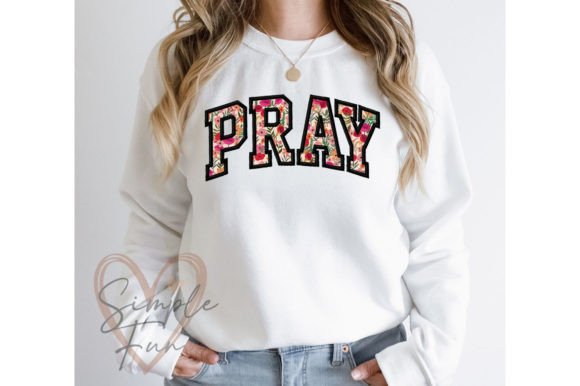
The first impression is one of quiet strength. The design features the word "pray" created using the appliqué technique. For those unfamiliar, appliqué involves attaching fabric pieces onto a base fabric, creating a layered and textured effect. This is not a dense block of satin stitches that might pull or pucker thin material. Instead, it relies on the interplay between the base fabric and the contrasting appliqué fabric. Visually, this creates a soft, approachable mood that fits perfectly with the theme. It feels less like a logo and more like a sentiment, which changes how we must approach its placement and execution.
Why Applique Works for This Theme
In the world of Embroidery, text-based designs can often feel rigid or overly commercial. However, the choice to use appliqué here softens the message. The texture of the fabric piece adds a tactile dimension that thread alone cannot achieve. When I imagine this on a finished product, I do not see a stiff, plastic-like patch. I see a warm, integrated element that invites touch. This is crucial for items meant to comfort or inspire, such as nursery decor or personalized gifts.
From a production standpoint, appliqué designs are often faster to stitch than full-fill counterparts because the machine is laying down fabric rather than thousands of tight stitches. This makes Pray Applique Embroidery an attractive option for Etsy sellers and small shop products where turnaround time matters. However, speed should never compromise quality. The cut lines must be precise, and the tack-down stitches need to be secure enough to survive washing without fraying.
Real-World Application Scenarios
I tested this concept mentally against several common project types. Here is where this design truly shines:
- Tote Bag Design: Canvas bags provide the perfect sturdy base for appliqué. The rough texture of canvas contrasts beautifully with smooth cotton or felt used for the letters. It creates a boutique look that elevates a simple bag into a statement piece.
- Sweatshirt Embroidery: Fleece and French terry are thick. A standard fill stitch can sometimes get lost or cause bulk. Appliqué sits on top, maintaining clarity. Imagine this on the left chest of a neutral-toned hoodie; it is subtle yet impactful.
- Baby Embroidery: Softness is key for infant items. Because appliqué uses fabric, it can be softer against sensitive skin than dense stitching. Placing this on a muslin swaddle or a knit onesie adds a thoughtful, gentle touch suitable for a personalized gift.
- Embroidered Patch: If you are making iron-on patches, appliqué is ideal. It reduces weight and allows for creative fabric choices, like using denim or linen scraps to create a rustic aesthetic.
Technical Considerations and Pitfalls
While the design is versatile, it is not without its challenges. As an experienced reviewer, I must point out where caution is needed. Appliqué requires precision. If your machine’s registration is off, the fabric piece will shift, leaving gaps or exposing the backing unevenly. This is particularly tricky on stretchy fabric or curved surfaces like caps.
When working with Pray Applique Embroidery, consider the following technical notes:
- Fabric Choice: The success of this design depends heavily on the contrast between the base fabric and the appliqué fabric. If you choose two similar shades, the word "pray" will disappear. Always test your thread colors and fabric combinations on scrap material first.
- Stabilizer Selection: Even though appliqué is lighter than fill stitches, you still need proper support. Use a cut-away stabilizer for stretchy garments like t-shirts to prevent distortion over time. For woven fabrics like tote bags, a tear-away may suffice, but ensure it does not leave residue.
- Cutting Precision: The design likely includes a placement line, a tack-down stitch, and a final satin or running stitch border. You must trim the fabric close to the stitch line without cutting the stitches themselves. Sharp, small scissors are non-negotiable here.
- Hoop Size: Check the dimensions of the embroidery file before hooping. While appliqué is generally scalable, ensure the text remains legible. If scaled down too much, the delicate curves of the letters may become difficult to trim and stitch cleanly.
Commercial Viability and Brand Consistency
For craft business owners, consistency is brand currency. Pray Applique Embroidery offers a clean, professional look that can be replicated across different products. Whether you are selling holiday embroidery items for Christmas or creating year-round custom apparel, this design maintains its integrity. It does not look cheap or rushed when executed correctly.
Moreover, the Awareness category suggests a deeper connection with the buyer. Customers are not just buying a stitched word; they are buying a value statement. This increases the perceived value of the finished product. When you pair this design with high-quality blanks and neat finishing, you build trust. Buyers notice when a design is well-digitized and well-executed. They notice when the edges are clean and the fabric lies flat.
Final Designer Notes
Before you add this to your library of design assets, remember to verify the specific details provided with the purchase. I always recommend checking the included digital embroidery file formats to ensure compatibility with your machine software. Look for information on recommended stitch density and any specific instructions regarding the order of operations.
If you are creating printable mockup images for your online store, take photos on actual fabric rather than relying solely on digital simulations. The texture of the appliqué fabric is a selling point that screens often flatten out. Show the layering. Show the depth.
In conclusion, Pray Applique Embroidery is a thoughtful addition to any designer’s toolkit. It balances aesthetic appeal with practical production benefits. It respects the material it is stitched on, offering a textured, layered look that feels handmade and authentic. For those willing to take the time to master the trimming and placement process, it offers a high reward in terms of visual impact and customer satisfaction. Just remember: test on scraps, respect the fabric, and let the texture do the talking.