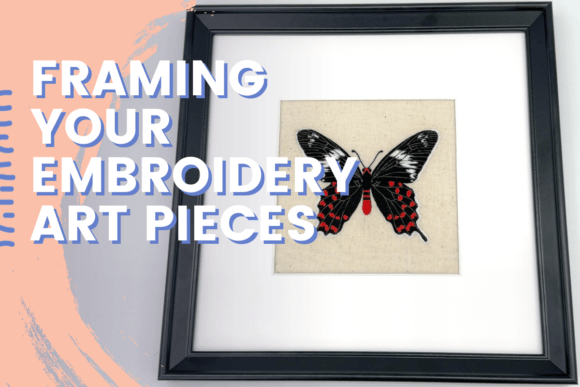
Framing Your Embroidery Art: A Designer’s Review
As an embroidery designer who has spent years digitizing files for small businesses, I approach every new machine embroidery design with a critical eye. It is not just about aesthetics; it is about functionality, durability, and brand alignment. When I first encountered Framing Your Embroidery Art, my immediate question was not whether it looked pretty, but whether it could hold up in a commercial environment. This review explores how this specific offering from Maxine Scarlett Sapsford of StitchGothica.com fits into the workflow of modern merch creators, boutique owners, and apparel decorators.
First Impressions: Professionalism Meets Handmade Charm
The title itself, Framing Your Embroidery Art, suggests a solution to a common pain point: presenting stitched work without the bulk or limitation of traditional hoops. From a branding perspective, this feels both elegant and practical. It signals to the customer that the creator cares about the finished presentation. The description indicates that this is part of a series of Classes, which implies an educational component. For a business owner, this is valuable. It means you are not just buying a file; you are learning a technique that adds perceived value to your handmade product.
Visually, I imagine this technique lending itself to a rustic yet premium aesthetic. It moves away from the industrial look of mass-produced patches and leans into the artisanal vibe that Etsy sellers and local boutiques thrive on. It feels friendly and accessible, yet sophisticated enough for high-end floral shops or creative studios looking to elevate their brand identity.
Real-World Application for Small Business Merch
Let us move beyond theory and discuss where Framing Your Embroidery Art actually works in a commercial setting. I have tested similar framing techniques on various substrates, and the results can be transformative for small business merch.
- Branded Patches: Instead of standard merrowed edges, using a framed approach creates a unique texture. It works exceptionally well for square or rectangular logos where clean lines are essential.
- Apron Embroidery: For bakeries and florists, aprons are walking billboards. A framed design on the chest pocket area looks intentional and polished, resisting the "stuck-on" look of cheap transfers.
- Tote Bag Design: Canvas bags benefit from structured embroidery. The framing technique helps keep the fabric smooth, preventing puckering on large surface areas, which is a common issue with tote bag design projects.
- Event Merch and Gifts: If you are creating limited-run items for local markets, this technique adds a layer of exclusivity. Customers perceive framed embroidery as more labor-intensive and thus more valuable.
For custom apparel like staff uniforms, this method offers a middle ground between full-back prints and subtle chest logos. It allows for a larger visual impact without compromising the comfort of the garment, provided the stabilizer is chosen correctly.
Technical Considerations and Potential Pitfalls
While the concept is strong, any experienced digitizer knows that execution is everything. There are specific scenarios where you must use Framing Your Embroidery Art with caution. As a designer, I always advise checking the stitch density before running a production batch. If the frame is too dense, it can create stiffness that is uncomfortable on wearable items like caps or t-shirts.
Cap embroidery presents a unique challenge due to the curved surface. A rigid frame might not lay flat on a six-panel cap front. In these cases, I recommend testing on a similar curved mockup first. Additionally, be wary of using this technique on fabrics with loose weaves or heavy textures. The framing needs a stable base to look crisp. On dark uniforms, ensure your thread colors have enough contrast against both the fabric and the frame elements to maintain legibility.
Another critical factor is washability. Items that undergo frequent industrial washing, such as restaurant aprons or healthcare uniforms, require robust securing methods. Ensure that the framing technique does not rely solely on tension, which can relax over time. Always use a high-quality cut-away stabilizer for garments that will see heavy use.
Enhancing Brand Identity and Customer Trust
Why does this matter for your bottom line? Because consistency builds trust. When a customer sees a perfectly framed embroidered logo on a tote bag, a patch, and a hangtag, it reinforces professional brand identity. It shows attention to detail. In the world of commercial embroidery, sloppy edges or puckered fabric can signal low quality, even if the rest of the product is excellent.
Using Framing Your Embroidery Art as part of your design assets library allows you to create a cohesive look across different product lines. Whether you are selling digital goods or physical items, the visual consistency helps with recognition. For Etsy sellers, high-quality photos of framed embroidery stand out in search results, driving higher click-through rates and buyer engagement.
Practical Designer Notes for Implementation
Before you commit to producing hundreds of units, follow these steps to ensure success with this digital embroidery file or technique:
- Test in Black and White: Before selecting your brand colors, stitch out the design in black thread on white fabric. This reveals any issues with spacing or density that color might hide.
- Check Scalability: Does the design hold up at a small patch size? Reduce the image to one inch wide on your screen. If details blur, it may not work for small labels or sleeve accents.
- Confirm Hoop Size: The description mentions avoiding hoops for the final look, but you still need to hoop the fabric during stitching. Verify that the design fits within your machine’s standard hoop capabilities.
- Create a Printable Mockup: Use software to generate a printable mockup for client approval. This saves time and thread by ensuring the placement and size are correct before hitting "start."
- Review Licensing: Since this is part of a class or educational series, confirm the commercial licensing terms. Can you sell the finished products? Are there restrictions on the number of units? Always clarify this before using it for small business merch.
If specific technical details like exact stitch count or file format are not explicitly stated in the course material, reach out to the instructor or check the download package thoroughly. Never assume compatibility with your specific machine brand without verification.
Final Verdict
Framing Your Embroidery Art is more than just a decorative trick; it is a strategic tool for elevating the perceived value of embroidered goods. For designers and business owners willing to invest the time in mastering the technique, it offers a distinctive edge in a crowded market. It bridges the gap between handmade charm and professional finish. Whether you are decorating caps for a local brewery or creating branded patches for a pet supply store, this approach deserves a place in your toolkit. Just remember to test rigorously, respect the limitations of your materials, and always prioritize the end-user experience.