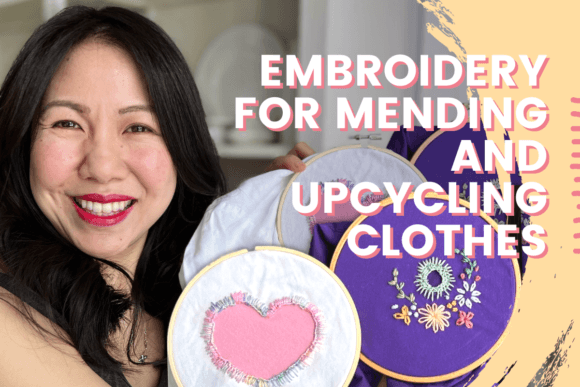
Review: Embroidery for Mending and Upcycling Clothes
As an embroidery designer who spends countless hours digitizing and testing machine embroidery design files, I am always on the lookout for resources that offer more than just decorative flair. Recently, I explored a unique resource on Creative Fabrica titled Embroidery for Mending and Upcycling Clothes. Unlike standard digital libraries filled with standalone motifs, this product is categorized under Classes, offering a deeper dive into the philosophy and technique of visible mending. For boutique apparel decorators and small clothing brands, understanding how to integrate repair aesthetics into new designs is a powerful tool for brand storytelling.
First Impressions and Visual Personality
My initial review of Embroidery for Mending and Upcycling Clothes revealed a distinct visual mood that leans heavily into the rustic and artisanal. The designs do not feel overly polished or corporate; instead, they possess a handmade charm that resonates with the current trend of slow fashion. The stitching mood is organic, celebrating imperfection rather than hiding it. This is crucial for designers aiming to create a boutique brand identity that values sustainability and craftsmanship.
The detail level is moderate, focusing on texture and flow rather than dense, solid fills. This makes the aesthetic feel premium yet approachable. It is not cute in a childish sense, nor is it boldly aggressive. It sits comfortably in a space that is playful, feminine, and deeply connected to the heritage of textile arts. For those browsing Creative Fabrica embroidery options, this stands out as a niche but highly relevant collection for the modern maker.
Application on Sweatshirts and Hoodies
When planning a small sweatshirt or hoodie collection, placement is everything. I imagined applying these concepts to neutral sweatshirts and pastel hoodies. The organic lines of the mending-inspired stitches look particularly striking on the chest area of a heavyweight hoodie. Because the designs often mimic darning or sashiko techniques, they add visual interest without overwhelming the garment.
For sleeve accents, these patterns provide a subtle nod to customization. A small, intricate mend-style motif on the cuff or upper arm can elevate a basic custom apparel piece into a statement item. On dark apparel, using contrasting thread colors like mustard yellow, cream, or soft pink against charcoal or navy fleece creates a high-impact look that photographs beautifully for lifestyle product photos. However, one must be mindful of stitch density. Fleece is plush, and while these designs are generally not overly dense, testing on scrap fabric is essential to ensure the stitches do not sink into the pile.
Versatility Across Garment Types
Beyond hoodies, the utility of Embroidery for Mending and Upcycling Clothes extends to various substrates. On t-shirts, lighter weight versions of these motifs work well for pocket placements or back designs. The key here is stability. T-shirt jersey stretches, so using the correct stabilizer is non-negotiable to prevent puckering. For denim jackets, these designs shine. Denim provides a sturdy canvas that mimics the original intent of mending, allowing for bolder, larger-scale applications that look intentional and rugged.
Tote bags are another excellent candidate. The durability of canvas pairs perfectly with the structural nature of mending stitches. A tote featuring a large, central upcycling motif becomes an instant bestseller for an Etsy seller targeting eco-conscious consumers. The visual consistency across a line of totes and sweatshirts helps build strong product recognition.
Practical Considerations for Production
Before committing to a full production run, there are several technical factors to consider. Since this product is a Class focused on technique, it may not always provide ready-to-stitch digital embroidery file formats for every single variation shown. It is vital to check the specific product details and licensing terms on Creative Fabrica. If specific machine files are included, confirm the hoop size compatibility with your equipment. Common sizes like 4x4 or 5x7 inches are standard, but larger back designs may require a 6x10 or larger hoop.
Inspect the stitch density carefully. Designs intended for mending often use running stitches or satin borders. While beautiful, long satin stitches on stretchy fabric can snag or break if not properly stabilized. Always test on similar garment fabric before stitching on your final finished product. Check how the thread interacts with the fabric texture. Ribbed fabrics, common on cuffs and collars, require extra care. Placing dense embroidery on ribbing can cause distortion, so it is often better to place these designs on flat panels of the garment.
Enhancing Brand Value and Customer Trust
Incorporating the ethos of Embroidery for Mending and Upcycling Clothes into your shop does more than just add decoration; it adds narrative value. Buyers today are increasingly interested in the story behind their clothes. By using designs that celebrate longevity and repair, you signal that your small shop product is made with care and intention. This builds buyer trust and enhances the perceived value of the item.
For social media graphics and printable mockups, these designs offer rich visual content. The textured look of embroidery translates well in photos, allowing for engaging posts that highlight the tactile quality of your work. This engagement drives traffic and can convert browsers into buyers. Whether you are selling commercial embroidery products or handmade items, the professional presentation of these motifs can set your brand apart from mass-produced competitors.
Final Designer Notes
To maximize the potential of this resource, start by creating a mood board that aligns the rustic, mending aesthetic with your current color palette. Experiment with thread contrasts to see what pops best on your chosen garments. Remember, the goal is to breathe new life into old concepts, even if the garment itself is new. Keep an eye on curved surfaces like shoulders or hips, as embroidery can pull fabric unevenly in these areas. Finally, always verify the license agreement provided with the Class to ensure you are compliant when selling your handmade product commercially. With careful planning and attention to detail, Embroidery for Mending and Upcycling Clothes can be a cornerstone of a thoughtful, sustainable apparel collection.