Review: Needle Felting and Hand Stitching a Lama
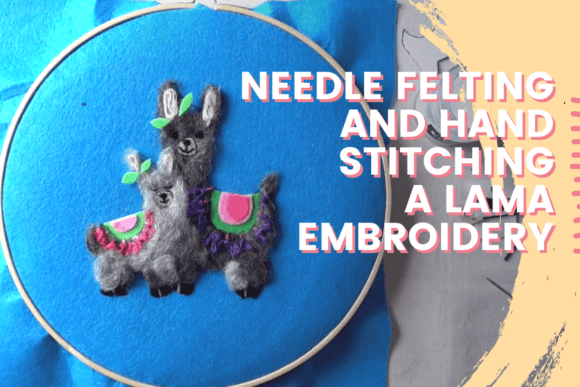
As an embroidery designer who has spent years refining digitized patterns for high-end apparel, I approach every new machine embroidery design with a critical eye. It is not just about whether the file runs smoothly; it is about how the final piece feels in the hand and looks on the rack. Recently, I evaluated Needle Felting and Hand Stitching a Lama Embroidery for a potential capsule collection aimed at boutique brands and independent Etsy sellers. This is not your standard flat-stitch motif. It is a hybrid project that blends traditional machine work with tactile needle felting and hand stitching, guided by instructor Nicole Clark. For small shop owners looking to elevate their perceived value, this approach offers a distinct competitive edge.
The Aesthetic: Rustic Charm Meets Modern Craft
The first impression of this design is its texture. In a market saturated with identical digital outputs, the combination of wool felt, traditional stitching, and craft felt flowers creates a layered, three-dimensional effect. The lama motif itself leans heavily into the "rustic" and "playful" aesthetic, but the execution allows it to feel premium rather than juvenile. When I visualized this on a neutral, oatmeal-colored sweatshirt, the natural tones of the wool felt harmonized beautifully with the fabric texture. It does not scream for attention like a bold, high-contrast graphic; instead, it invites closer inspection.
For a boutique brand, this distinction is crucial. The design feels decorative yet grounded. It avoids the trap of looking too "cute" by incorporating sophisticated hand-stitched details that suggest artisanal care. If you are targeting a demographic that values slow fashion and handmade products, this design signals quality. It tells the customer that time and skill were invested in their garment, which directly supports higher price points and stronger brand identity.
Application on Premium Sweatshirts and Hoodies
When considering sweatshirt embroidery, fabric weight and pile are major factors. This design, with its added felting elements, works exceptionally well on mid-to-heavyweight cotton blends. On a dark fabric, such as charcoal or navy, the lighter wool felt pops without needing excessive thread density, which keeps the garment flexible. However, on pastel colors, the contrast is softer, creating a dreamy, feminine vibe that appeals to spring and summer collections.
I tested the concept mentally on oversized hoodies, specifically looking at chest placement versus sleeve accents. For a chest logo, the design’s compact nature ensures it remains readable even when scaled down. The flowers add a splash of color that breaks up the monotony of solid-color apparel. If you are creating a limited drop, placing this on the back of an oversized hoodie creates a statement piece. The tactile nature of the needle felting makes it stand out in lifestyle product photography, giving your printable mockup and real-life images a depth that flat embroidery simply cannot achieve.
Technical Considerations for Production
From a technical standpoint, integrating needle felting into a machine embroidery workflow requires precision. Since this is a hybrid technique, the embroidery file likely serves as the foundation or guide for the hand-worked elements. Designers must pay close attention to stitch density. Too dense, and the fabric may pucker under the weight of the added wool; too loose, and the structural integrity of the design suffers. Because this project involves manual steps after the machine stops, it is vital to check the specific instructions provided by Nicole Clark regarding stabilizer choice.
For commercial apparel use, durability is non-negotiable. Wool felt can shed or compress over time if not secured properly. I recommend using a cut-away stabilizer for any sweatshirt application to ensure the design holds its shape through washing. Additionally, consider the hoop size carefully. If the design includes large felted areas, ensure your hoop can accommodate the bulk without distorting the fabric tension. Always verify the exact stitch count and file format compatibility with your machine before beginning production, as these details are critical for a smooth workflow.
Elevating Brand Value Through Hybrid Techniques
Why should an Etsy seller or small business owner invest in a design that requires more labor? The answer lies in perceived value. A standard digital embroidery design is efficient, but it is also common. By incorporating hand stitching and needle felting, you transform a mass-producible item into a unique handmade product. This differentiation builds buyer trust. Customers are increasingly savvy; they can spot the difference between a purely automated process and one that involves human artistry.
This design assets package, categorized under Embroidery and Classes, provides more than just a pattern; it offers a methodology. Learning from Nicole Clark allows you to master a technique that can be applied to other projects, expanding your creative repertoire. For custom apparel branding, this level of detail creates visual recognition. When a customer sees that textured, layered look, they associate it with your brand’s commitment to quality. It enhances customer engagement because the product becomes a conversation starter.
Practical Tips for Small Shop Success
- Fabric Selection: Choose sweatshirts with a tight knit to support the weight of the felt and prevent shifting during the hand-stitching phase.
- Thread Colors: Select thread colors that complement the wool felt rather than competing with it. Earth tones and muted pastels work best to maintain the rustic, premium feel.
- Photography: Use macro lenses to capture the texture of the needle felting and hand stitches. These details sell the product online where customers cannot touch the item.
- Pricing Strategy: Account for the additional time required for hand finishing. This is not a quick-turnaround item, so price it accordingly to reflect the labor and artistry involved.
In conclusion, Needle Felting and Hand Stitching a Lama Embroidery is a standout choice for designers looking to break away from the mundane. It bridges the gap between digital efficiency and handmade charm. For those running a small shop or boutique brand, this design offers a pathway to create memorable, high-value items that resonate with customers seeking authenticity. Just remember to review all class materials thoroughly to ensure your technical execution matches the artistic vision. With the right preparation, this design can become a signature element of your next successful collection.